BLD Pharm provides high-quality peptide molecules for scientific research, giving scientists and laboratories reliable materials to drive innovative discoveries.
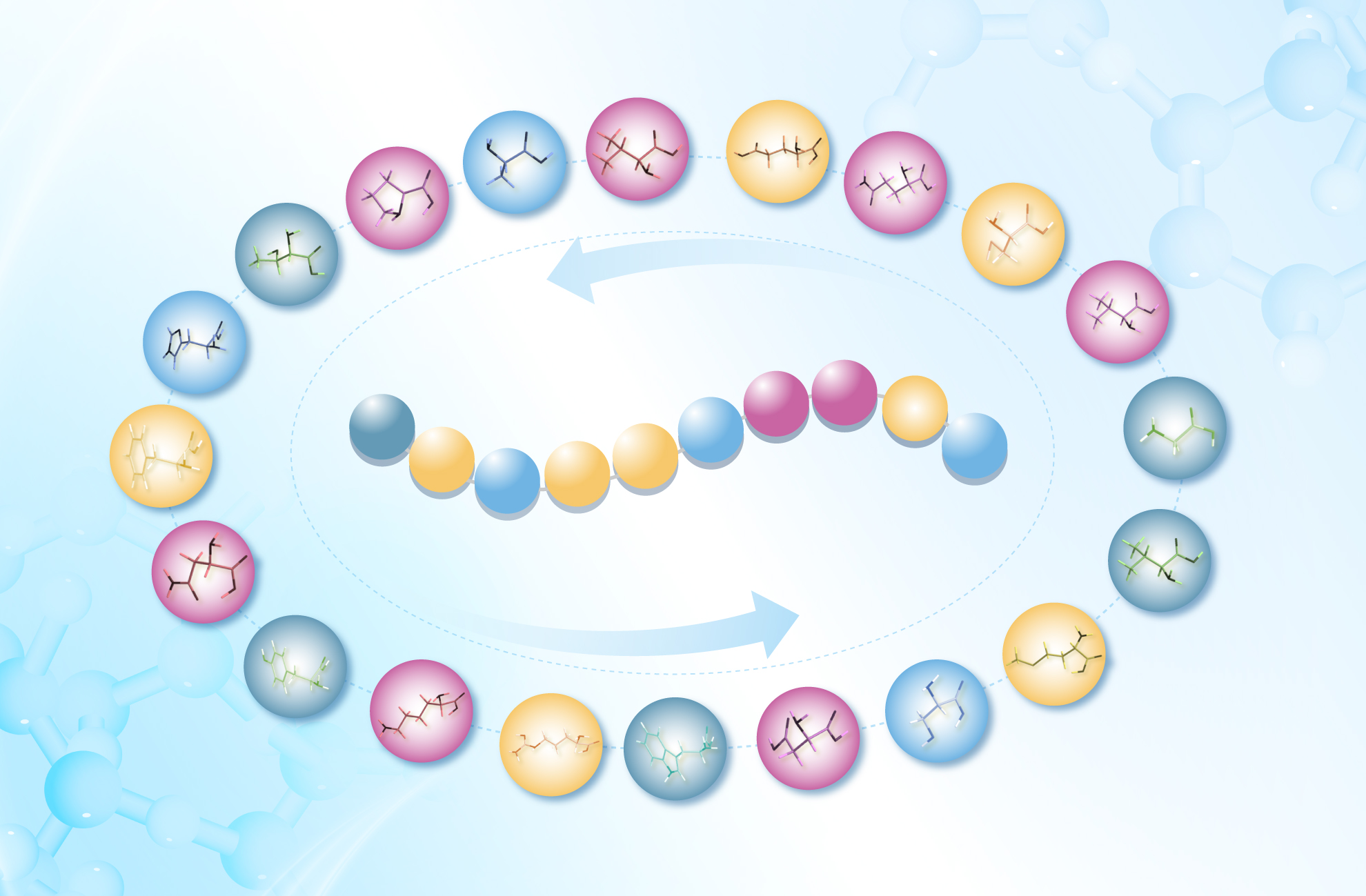
Peptide drugs are a class of biologically active drug molecules composed of approximately 2-50 amino acids linked by peptide bonds. Their molecular size falls between that of small-molecule chemical drugs and large-molecule protein drugs, endowing them with unique physicochemical properties and therapeutic potential. Compared to traditional small-molecule drugs, peptide drugs exhibit high specificity, good selectivity, and significant efficacy. Key advantages include:
These characteristics have made them a research hotspot in modern drug development.
Despite the numerous advantages of peptide drugs, their development and application still face some challenges. Peptides exhibit poor stability in vivo, are easily degraded by proteases, and have short half-lives, leading to low bioavailability. They often require administration via non-enteric routes such as subcutaneous injection, which can affect patient compliance to some extent.
To address this issue, researchers have employed various strategies to modify the structure of peptides, such as main chain modification, cyclization, end-group modification, and esterification or polyethylene glycol modification, thereby enhancing their stability, prolonging their half-life, and improving their pharmacokinetic properties. Simultaneously, developing peptide delivery systems has become an important approach to improving efficacy and bioavailability. Strategies such as nanoparticles, liposomes, hydrogels, biodegradable polymer carriers, and receptor-mediated targeted delivery can protect peptides from enzymatic degradation while achieving controlled release and targeted delivery, improving therapeutic efficacy and reducing dosing frequency.
In clinical applications, peptide drugs have shown significant potential in the treatment of various diseases, including:
Peptides also show unique advantages in the field of anti-infection. Antimicrobial peptides can disrupt bacterial membrane structures and inhibit metabolic activity, exhibiting broad-spectrum antimicrobial activity and low drug resistance. Compared with traditional antibiotics, antimicrobial peptides have fewer side effects with long-term use, making them particularly suitable for treating drug-resistant bacterial infections. In the treatment of viral infections, peptides exert their effects by mimicking the structure of viral target proteins or interfering with the fusion process between the virus and host cells, maintaining a low risk of drug resistance despite viral mutations and evolution. Some peptide inhibitors also enhance efficacy through combination therapy, providing new strategies for combating infections such as HIV, hepatitis C, and coronaviruses.
In summary, peptide drugs, with their high specificity, low toxicity, significant efficacy, and flexible structural modifiability, have demonstrated unique advantages in multiple fields, including diabetes, cancer, infectious diseases, and neurological, cardiovascular, and bone metabolism disorders. Through multidisciplinary strategies integrating molecular modification, delivery system optimization, and computer-aided design, peptide drug development is gradually overcoming the limitations of poor in vivo stability and low bioavailability. As these advances progress, suppliers such as BLD Pharm play an important role in providing access to diverse peptide molecules for research and development. In the future, it is expected to drive more efficient and precise treatment options, providing innovative drug choices and treatment strategies for a variety of diseases.
| Catalog No. | Product Name |
| BD00842408 | Larazotide acetate |
| BD01146326 | Systemin |
| BD01314977 | Argifin |
| BD01449823 | Benarthin |
| BD01562423 | Piflufolastat |
| BD154072 | Thymopentin |
| BD243733 | Romidepsin |
| BD633901 | Vancomycin HCl |
| BD682317 | MK-5172 |
| BD767802 | Etelcalcetide |
| BD01140367 | GRGDSP |
| BD01540147 | Rofapitide tetraxetan |
For questions or personal advice, please contact your Bio-Connect account manager or request more product information via our ‘order and request’ form. We are happy to help you choose the right BLD Pharm products and invite you to explore the full range online.


Building Blocks | Pharmaceutical Intermediates | Inhibitors and Agonists | Amino Acids and Peptides | XDC Fragments | PROTACs | Nucleosides & Nucleotides
We gladly support you by keeping you updated on our latest products and developments