Vector Laboratories‘ glycobiology tools, from lectins to the award-recognized Glysite™ Explorer Kit, are helping researchers map glycan-driven mechanisms in cancer progression and immunotherapy.
Protein glycosylation, the attachment of sugar chains to proteins, is a well-documented mechanism in cancer biology, altering glycan patterns on tumor cells, immune checkpoint proteins, and secreted biomarkers. It remains harder to study than genetic mutations or protein expression alone, however, and a growing body of peer-reviewed research continues to document its role in tumor progression and immune evasion. A growing set of lectin-based tools is giving cancer researchers a more direct way to screen and visualize glycans within their existing workflows.
Lectins, carbohydrate-binding proteins that recognize specific glycan structures, are the foundation of this approach. Lectin-based methods, including lectin affinity chromatography, lectin histochemistry, and lectin arrays, have led to the identification of numerous candidate glycoprotein biomarkers across cancer types, from ovarian and pancreatic to colorectal and breast cancer [1]. Vector Laboratories’ validated lectins, available through Bio-Connect, cover major glycan classes including mannose, fucose, sialic acid, and galactose, and are used in exactly this kind of lectin histochemistry and array-based screening. Curated lectin kits let researchers survey several glycan specificities at once across IHC, IF, blotting, and flow cytometry protocols, rather than testing one lectin at a time.
For a broader first-pass survey, Glysite™ Scout Glycan Screening Kits combine a curated lectin panel with immunofluorescence detection reagents in a single kit, letting researchers screen for multiple glycan classes across a tissue section before narrowing in on a specific glycan-protein relationship.
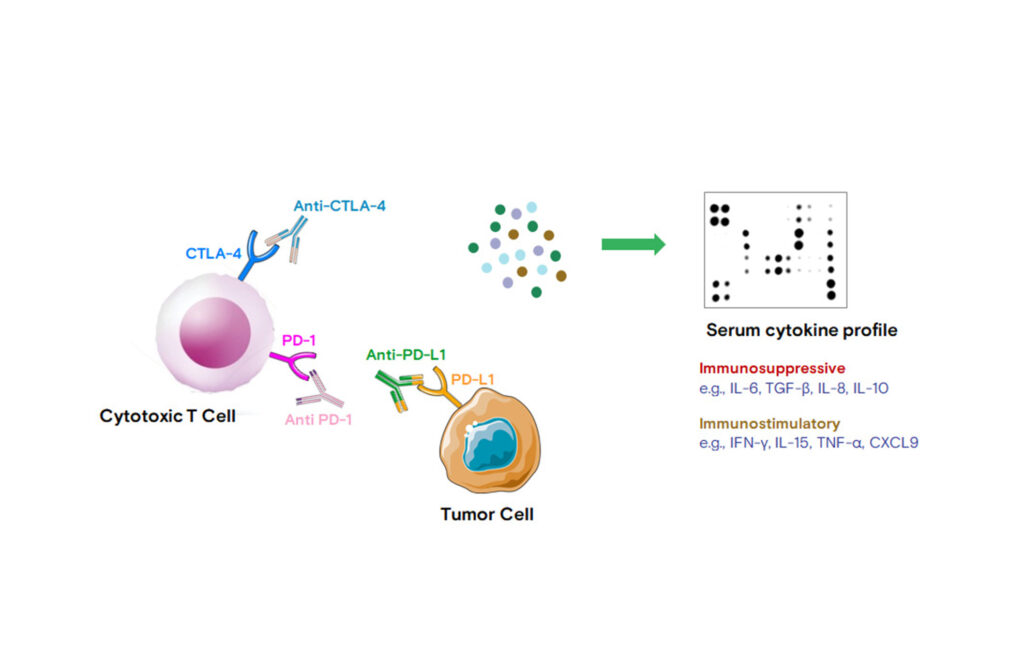
Spatial context adds another layer that standard biomarker screening cannot capture on its own. Glycosylation is increasingly recognized as a factor that can mask or modulate immune checkpoint signaling: a 2025 study in Molecular Cancer showed that N-glycosylation at specific sites on PD-L1 interferes with the ability of anti-PD-L1 and anti-PD-1 checkpoint blockade antibodies to disrupt the PD-L1/PD-1 interaction, while removing glycosylation sharply increased blocking efficacy at minimal antibody concentrations [2].
Findings like this help explain why glycosylation status, not just expression level, is being considered in immunotherapy patient stratification.
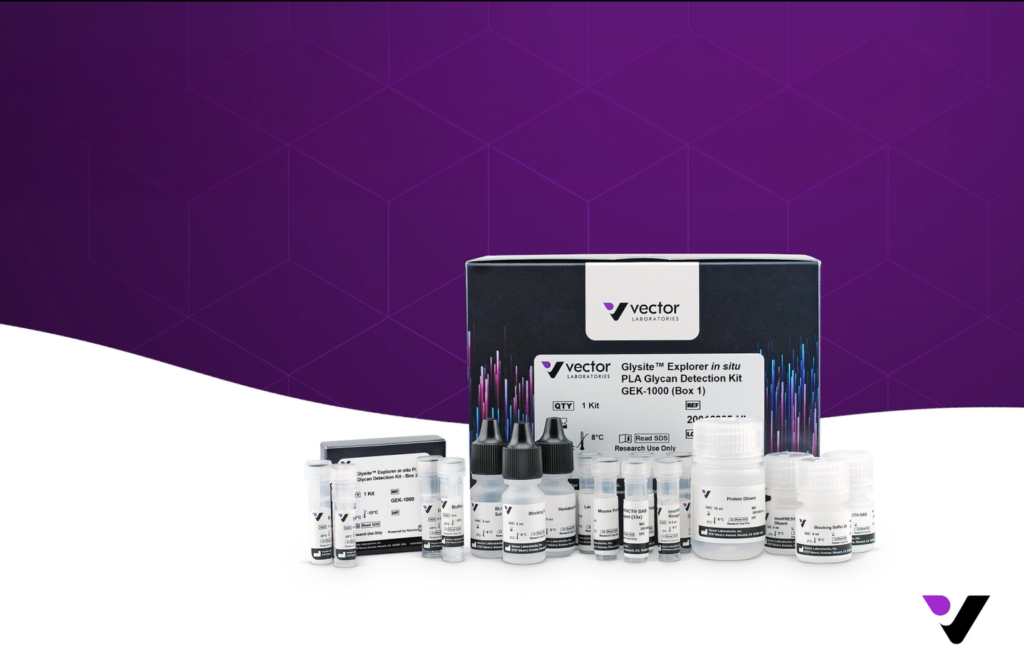
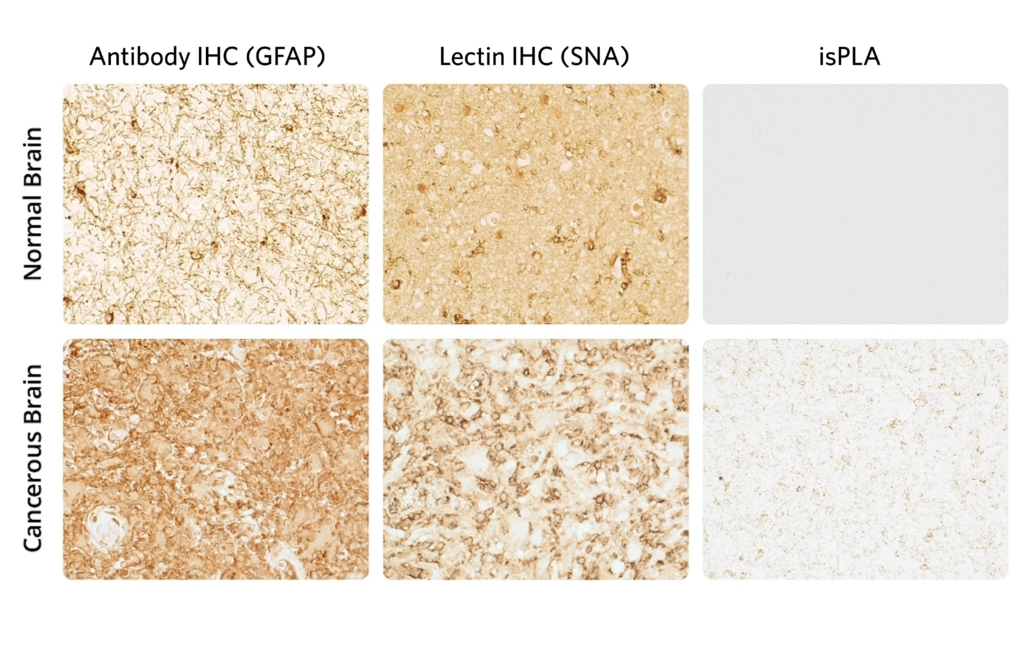
Vector Laboratories’ Glysite™ Explorer in situ PLA Glycan Detection Kit was built to bring that kind of glycan-protein relationship into spatial view. The kit pairs a curated panel of lectins with an in situ proximity ligation assay, producing a visible signal only when a glycan and a protein of interest sit within roughly 40 nm of each other in FFPE tissues, FFPE cell pellets, or fixed cells.
Research groups studying immune checkpoint biology in melanoma and other tumor microenvironments have used this approach to compare glycan motifs across distinct cell populations within a single tumor section, work that could not be done directly with lectin histochemistry or flow cytometry alone.
Together, these tools point to a broader shift already visible in the published literature: glycosylation is moving from a peripheral post-translational modification to a mainstream consideration in biomarker discovery and immunotherapy evaluation. As more labs incorporate glycan analysis alongside standard protein detection, reagents that plug into existing IHC and IF workflows are likely to accelerate that shift further.
Researchers interested in exploring glycosylation in their own cancer models can find Vector Laboratories‘ lectins, lectin kits, and the Glysite Explorer isPLA kit through the Bio-Connect webshop.



Antibodies | Glycobiology | Immunodetection Reagents | Specialty Chemicals | Mounting Medium | Staining
We gladly support you by keeping you updated on our latest products and developments