
BPS Bioscience’s commercial kits save time by providing consistent, pre-optimized reagents and protocols, enabling reliable results and making advanced experimental workflows accessible to researchers without specialized expertise.
The manufacture of biological drugs, including antibodies and recombinant proteins, is regulated by agencies such as the U.S. Food and Drug Administration (FDA) and the European Medicines Agency (EMA) to ensure that clinical drugs do not contain harmful impurities. Most biologics are prepared using host cell systems such as human cells, insect cells, or bacterial cells, and carry-over of host cell DNA must be kept to a minimum as it could compromise patient safety [1,2].
Even when biologics are used only for research, residual host-cell DNA in protein preparations can still affect results by triggering immune and inflammatory responses in animals or cellular stress responses in cell-based assays, with the potential to create misleading experimental results. It is thus advisable scientists assess purity and control for host DNA contamination.
To facilitate this crucial quality control, BPS Bioscience is launching Host DNA detection kits specific to bacterial, hamster or human host systems. The Residual E. coli, Residual CHO (Chinese hamster Ovary) and the Residual HEK293 DNA Detection qPCR Kits are designed for the sensitive detection of trace E. coli, hamster, or human DNA, respectively, using quantitative PCR.
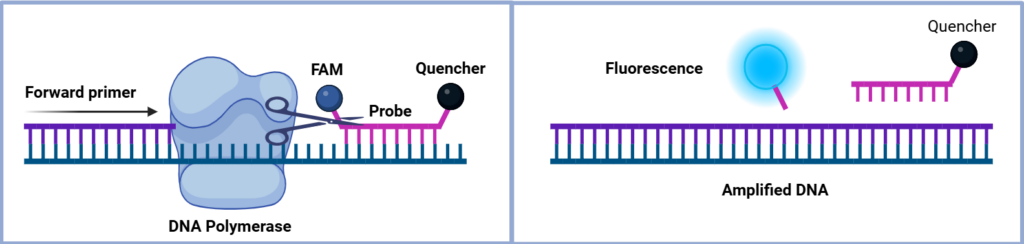
The Residual HEK293 DNA Detection qPCR Kit (#84167) enables the detection of human DNA at concentrations as low as 1 fg/µl, with no cross-reactivity to rodent cell DNA. This specificity is achieved by targeting Alu elements. The primers and the probe are designed against a consensus sequence from a human Alu subfamily, ensuring high sensitivity and specificity for human DNA. The Residual CHO DNA Detection qPCR Kit (#84179) allows the detection of contaminant CHO DNA specifically, without cross-reactivity with other mammalian species.
The Residual E. coli DNA Detection qPCR Kit (#83978) is designed for the detection of E. coli DNA at concentrations as low as 5 fg/µl, with no cross-reactivity to mammalian cell DNA. The assay targets the bacterial gene encoding the 23S ribosomal RNA. Although this gene is conserved among gram-negative bacteria, primer specificity has been validated by BLAST analysis to be exclusive to E. coli.
Viral vectors are commonly used to transduce cells for gene delivery, resulting in a range of applications and viral types used. When the goal is protein or antibody expression, high expression levels can be achieved in systems based on insect cells, such as Sf9, using baculoviruses, which are especially strong for high-yield expression. Lentiviral vectors are frequently used to generate stable cell lines, as their genetic payload can integrate into the host genome. In contrast, AAV (adenovirus associated virus) vectors are generally preferred for in vivo studies, as they enable efficient gene expression in differentiated tissues.
Viral vectors are generated using either multi-plasmid-transfected cultured mammalian cells, or insect Sf9 cells infected with baculovirus constructs. Once produced, viruses are purified to remove potentially detrimental impurities including host DNA and proteins, empty capsids and other cellular contaminants. For in vivo experiments, this is particularly critical as improperly purified AAV preparations may lead to significant variation in efficacy between lots and may generate reactions to contaminants upon injection of the AAV particles.
Virus titer determination is usually the last step of virus preparation and purification, useful prior to cell infection/transduction. It ensures reproducible infection/transduction and expression using successive lots (preparations) of viral particles. Inaccurate or unknown titers can lead to inconsistent multiplicity of infection (MOI), resulting in variable transduction efficiency, off-target effects, or cytotoxicity that confound data interpretation. Inconsistent dosing can result in failure to achieve sufficient biological effect (too low) or inducion of non-specific stress responses in cells or animals (too high). Calculating viral titers allows for controlled, reproducible dosing across experiments and supports meaningful comparison of results.
Common titration methods include the Plaque assay, which remains the gold standard but is a slow and labor-intensive procedure , and Endpoint dilution. Quantitative PCR (qPCR) is a fast and reliable technique; however, it measures genome copies, not infectivity, and does not account for full/empty particle ratios. ELISA-based titration is also commonly used to determine the number of total particles. While it also does not allow for the determination of the number of infectious particles, it is a simple, quick, and reliable method that does not require sophisticated equipment.
The Baculovirus qPCR Titration Kit (#83621) from BPS Bioscience is designed for the efficient extraction and accurate quantification of baculovirus titers using qPCR. The kit is optimized to preserve double-stranded viral DNA and deliver high sensitivity while minimizing non-specific background signals. The kit includes viral DNA purification columns for rapid viral DNA extraction, along with Wavequant™ 2x qPCR Master Mix and gp64-specific primers for enhanced specificity to baculoviruses.
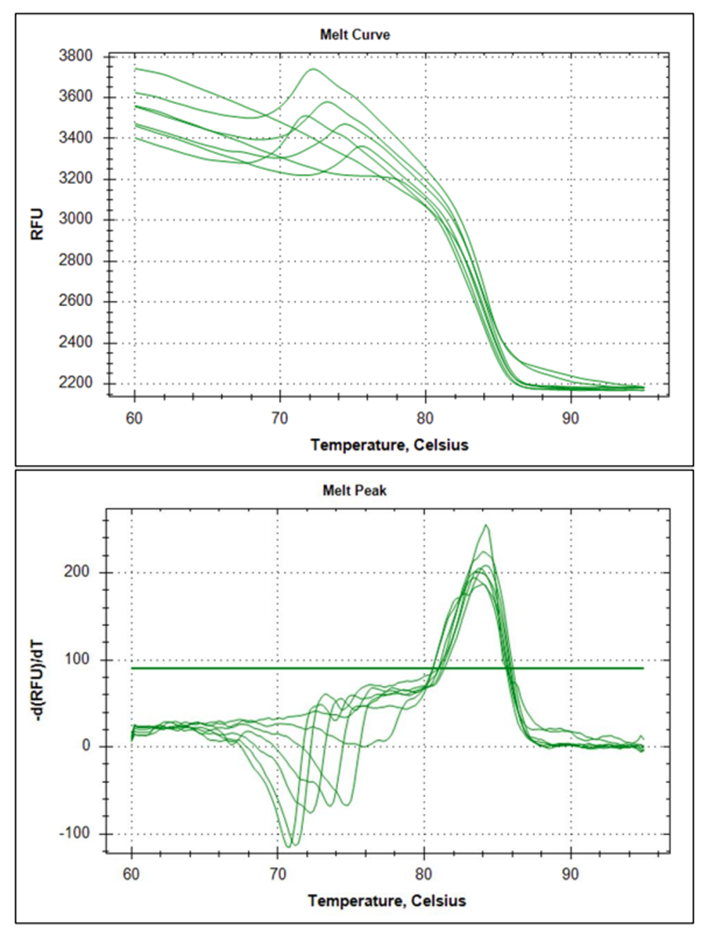
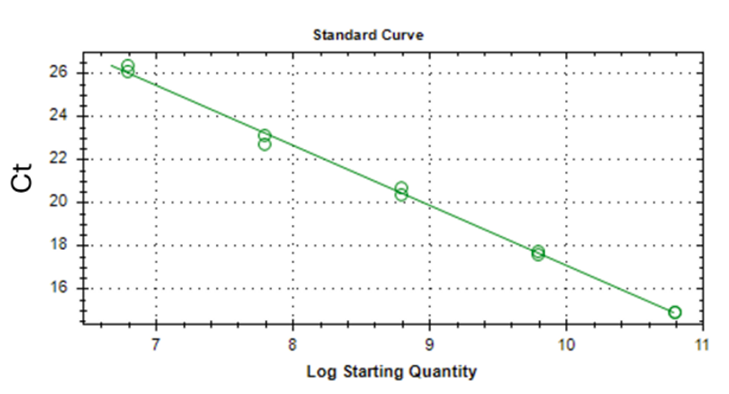
The AAV qPCR Titration Kit (#82812) accurately measures AAV titers for particles containing AAV2-ITRs using qPCR (quantitative polymerase chain reaction). Since most recombinant AAV vectors today contain AAV2-ITRs, the kit is not specially linked to any serotype. The kit offers a streamlined, one-step process and includes a ROX (carboxyrhodamine) passive fluorescence reference dye that allows for signal normalization, and an AAV standard for precise quantification. It has been validated across multiple AAV samples with varying serotypes, purification status, and encapsulated transgenes, consistently demonstrating accuracy, precision, and robustness.
Isolating research grade AAV particles from the AAV-producing host cells is conventionally conducted using freeze-thaw or sonication methods. However, these methods are time consuming and carry significant amounts of proteins from the host cells. The AAV ONE-Extract™ Solution (#78585) is a reagent for quickly extracting AAV particles from AAV host cells. This reagent provides a simple and efficient method for isolating the AAV particles of all serotypes.
As an alternative to PCR-based methods, ELISA kits offer a convenient workflow for viral titration. Since they measure capsid proteins, they reflect physical particle count, not functional titer, and do not distinguish between infectious and non-infectious particles. However, they are serotype-specific, whereas qPCR-based methods are generally serotype-independent.
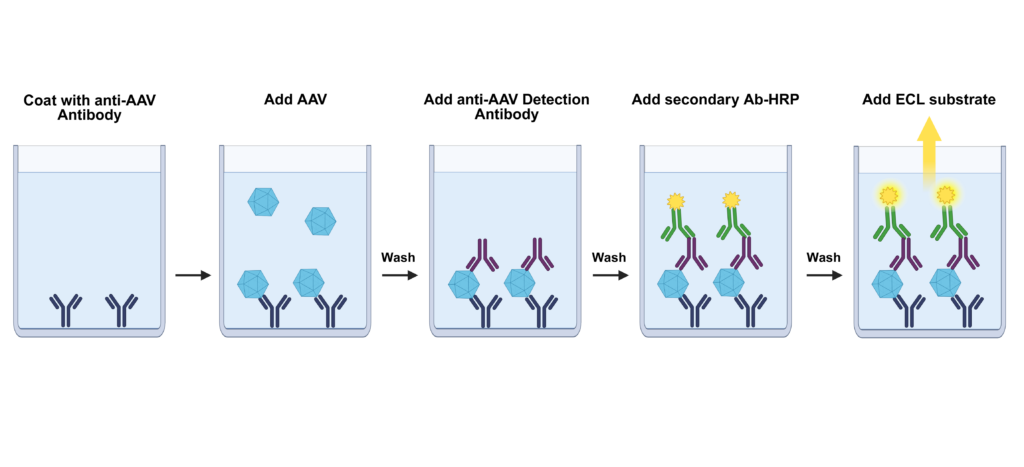
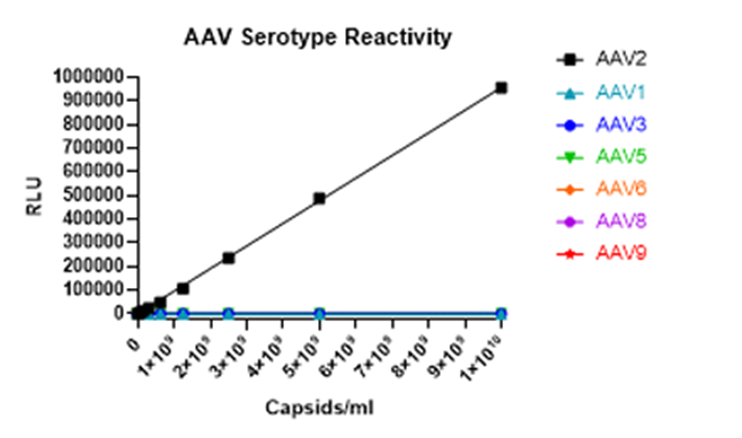
The AAV2 Chemiluminescence ELISA Titration Kit (#83603) and the AAV8 Chemiluminescence ELISA Titration Kit (#87799) from BPS Bioscience are sandwich ELISA (Enzyme-linked immunosorbent assay) designed to detect and quantify AAV non-denatured capsids. They provide accurate, specific, and sensitive assessment of the number of AAV capsids (full and empty) present in purified AAV samples.
BPS Bioscience has developed a suite of ready-to-use kits, designed for the detection of residual host DNA contamination from the most used host in bioproduction, and viral titration. These cover multiple aspects of discovery workflows, and offer highly sensitive, reliable and easy to use options to scientists. BPS Bioscience kits and related reagents are available through our webshop, where you can easily explore and compare products for your assays. For technical details or experimental advice, please contact our Technical Support team or reach out directly to your account manager.



Proteins & enzymes | Antibodies | Lentiviruses | Cell Lines | Biochemical and Cellular Assay Kits
We gladly support you by keeping you updated on our latest products and developments