Metatissue‘s hPLMA is a human-derived, xeno-free alternative to Matrigel, combining improved batch-to-batch consistency, tunable properties and long-term stability for advanced 3D cell culture.
Matrigel became a cornerstone of 3D cell culture because it provided researchers with a simple and accessible way to recreate key extracellular matrix signals. Its widespread adoption has since generated decades of literature across organoids, stem cell research and disease modelling, making it the benchmark against which new matrices are often compared.
However, its animal-derived origin, batch-to-batch variability and limited control over its physical and biochemical properties create challenges for increasingly human-relevant and reproducible research. Regulatory initiatives from the FDA, EMA and MHRA are also accelerating the development of New Approach Methodologies and reducing reliance on animal-derived research where suitable alternatives exist.
As new human-derived materials generate their own evidence base, the scientific case for alternatives to Matrigel continues to strengthen.
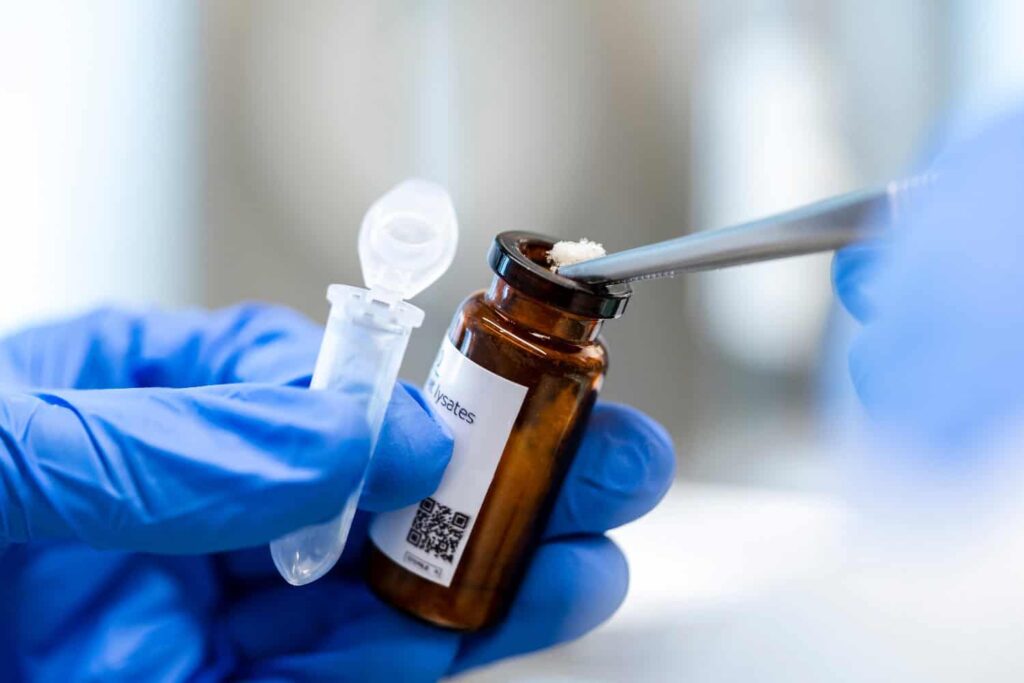
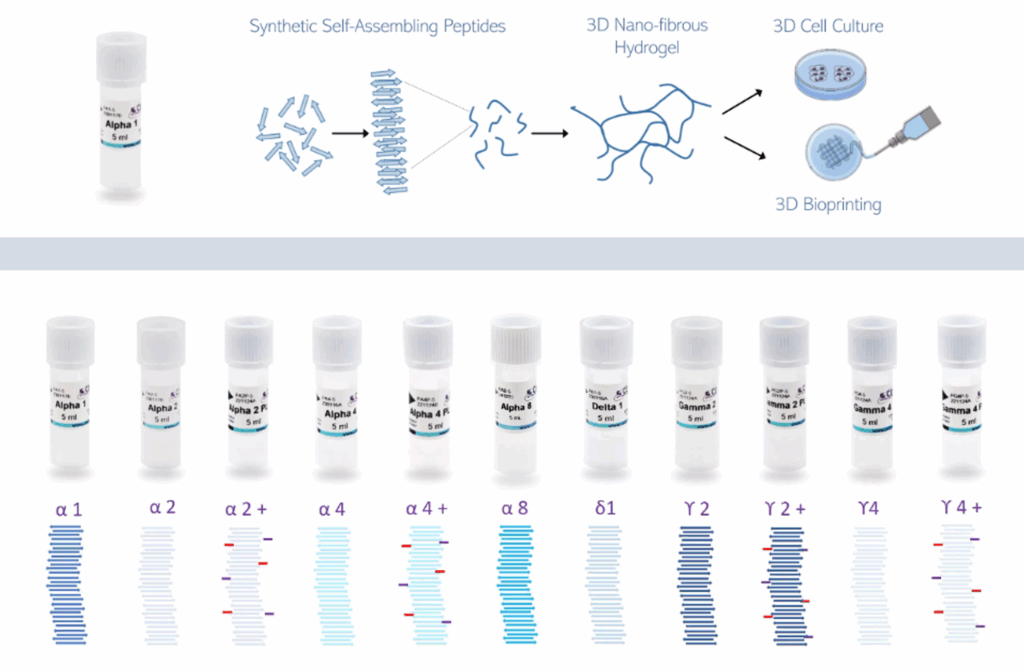
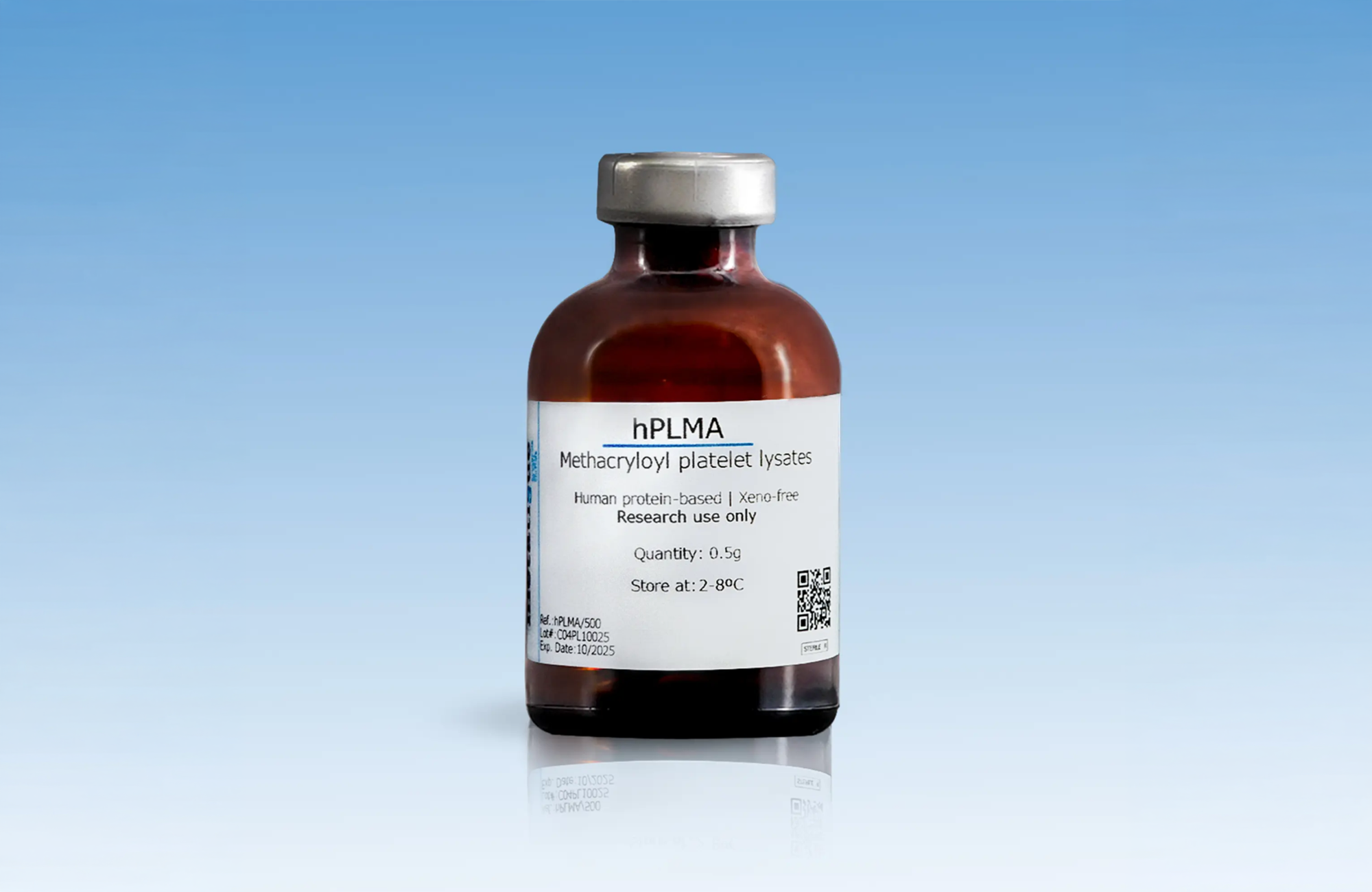
hPLMA is a photocrosslinkable, xeno-free biomaterial developed by Metatissue from pooled human platelet lysates. Naturally rich in proteins and growth factors, it provides a human-derived environment that supports cell attachment, proliferation and organisation. Large donor pools and robust internal and external quality controls help minimise batch-to-batch variability, while photocrosslinking allows mechanical properties to be tuned to different cellular and tissue requirements.
Available in a standard lyophilised format, hPLMA can be prepared for a range of 3D cell culture applications, including organoids, microfluidic chips and bioinks. It is also available in ready-to-use formats, including hPLMA Easy and hPLMA Sponge, which are manufactured in-house to simplify experiments and minimise reproducibility issues associated with manual handling and operator-dependent variation.
hPLMA has also been shown to work synergistically with hPCMA, Metatissue’s human placenta-derived biomaterial, providing complementary properties for different applications. Together, these formats offer researchers greater flexibility while maintaining a consistent, human-derived biomaterial platform.
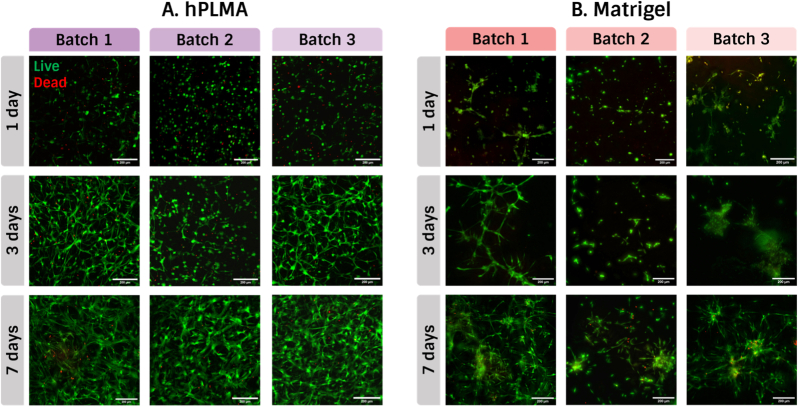
A recent study published in Materials Today Bio directly compared hPLMA with Matrigel using human adipose-derived stem cells cultured for up to 14 days.
Both matrices supported high cell viability, but their behaviour during extended culture differed substantially. hPLMA maintained its structural integrity throughout the study and supported uniform, interconnected cell networks. Matrigel began to degrade after 7 days and was associated with increased cell clustering and larger aggregates.
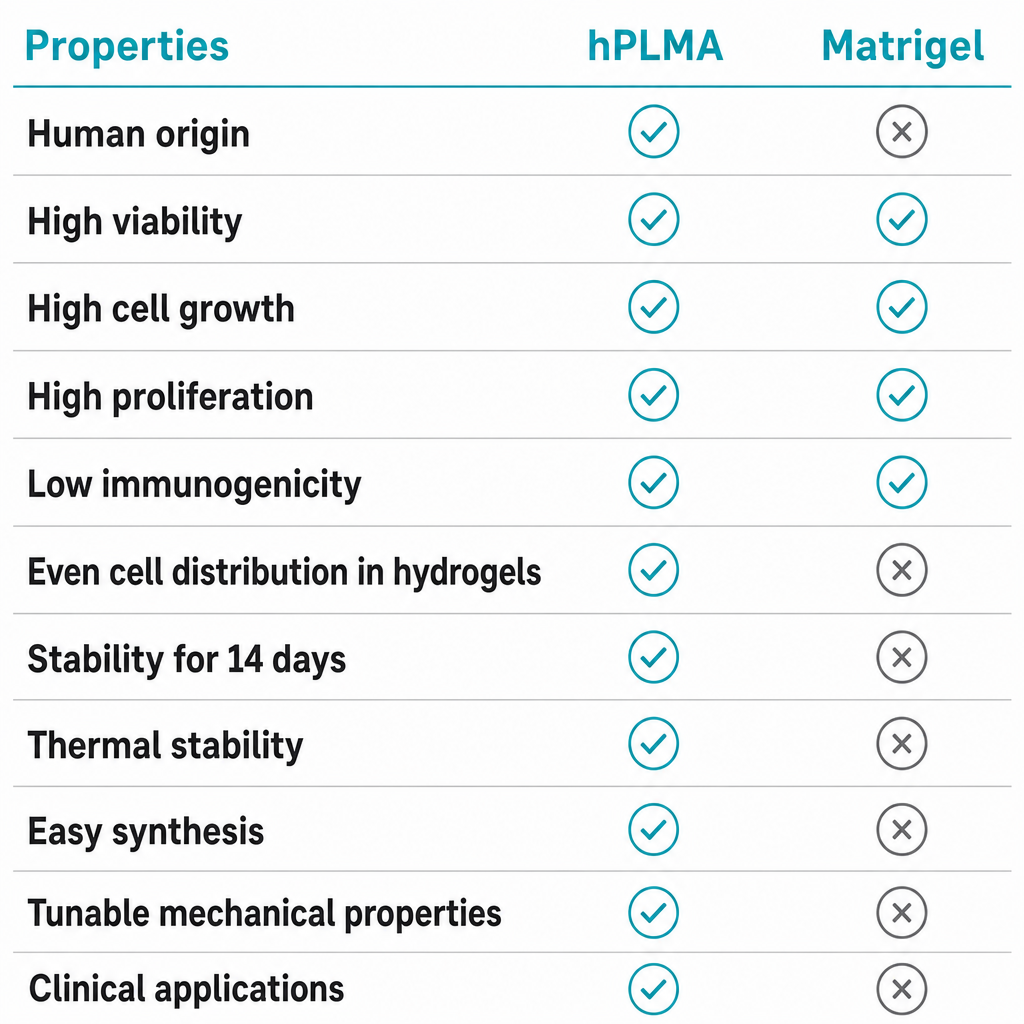
Transcriptomic analysis also revealed different cellular responses. Cells cultured in Matrigel showed sustained expression of immune-related genes, whereas the response in hPLMA was transient and resolved by day 5. hPLMA cultures also showed higher expression of genes associated with migration, adhesion and extracellular matrix organisation.
The findings demonstrate that extracellular matrix selection can influence not only hydrogel stability, but also cellular organisation and gene expression.
Matrigel established the foundation for much of today’s 3D cell culture. As research increasingly prioritises human relevance, reproducibility and reduced reliance on animal-derived materials, human-derived alternatives such as hPLMA provide a pathway towards the next generation of advanced cell culture.
Looking to introduce human-derived biomaterials into your 3D cell culture workflow? Metatissue’s hPLMA and hPCMA portfolio is available through Bio-Connect. For help selecting a suitable format or questions about product specifications, documentation and availability, contact your Bio-Connect account manager or technical support team.
Dias, M. M., Rufino, A. T., Vitorino, R., Custódio, C. A., & Mano, J. F. (2026). Redefining 3D cell culture: Human methacryloyl platelet lysates hydrogels for reliable, consistent, and ethical applications. Materials Today Bio. https://doi.org/10.1016/j.mtbio.2026.103443


3D Cell Culture | Human-Derived | Xeno-Free | NAMs | Bioinks | Tissue Engineering | Drug Discovery | Cancer Research | Biomaterials
We gladly support you by keeping you updated on our latest products and developments