EU-based supplier Metatissue develops human-derived biomaterials that improve reproducibility, support long-term culture and enable versatile advanced cell culture across multiple research applications.
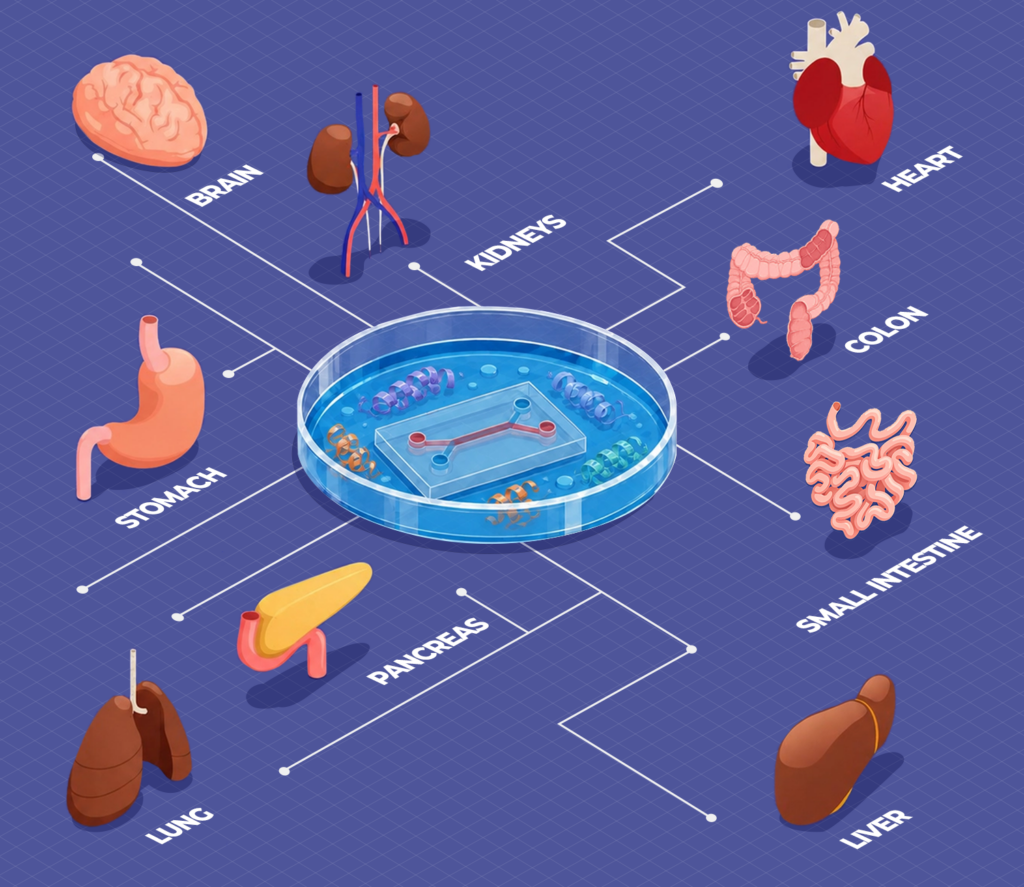
Advanced cell culture has transformed biomedical research, enabling increasingly sophisticated models such as organoids, spheroids, tissue-engineered constructs and microphysiological systems. Yet many of these advances still rely on animal-derived extracellular matrices that were not specifically designed for the demands of modern in vitro research.
Although these materials are among the most widely used in today’s 3D culture techniques, their limitations are becoming increasingly apparent. Batch-to-batch variability, limited long-term stability and animal-derived biological cues can affect reproducibility, complicate data interpretation and ultimately influence clinical translation. At the same time, regulatory agencies including the FDA, EMA and MHRA continue to promote New Approach Methodologies (NAMs) and the reduction of animal-derived research models.
Metatissue was founded on the principle that biomaterials should evolve alongside the models they support. Developed in Portugal, the company’s human-derived biomaterials combine biological relevance, reproducibility and versatility for researchers working across advanced cell culture applications.
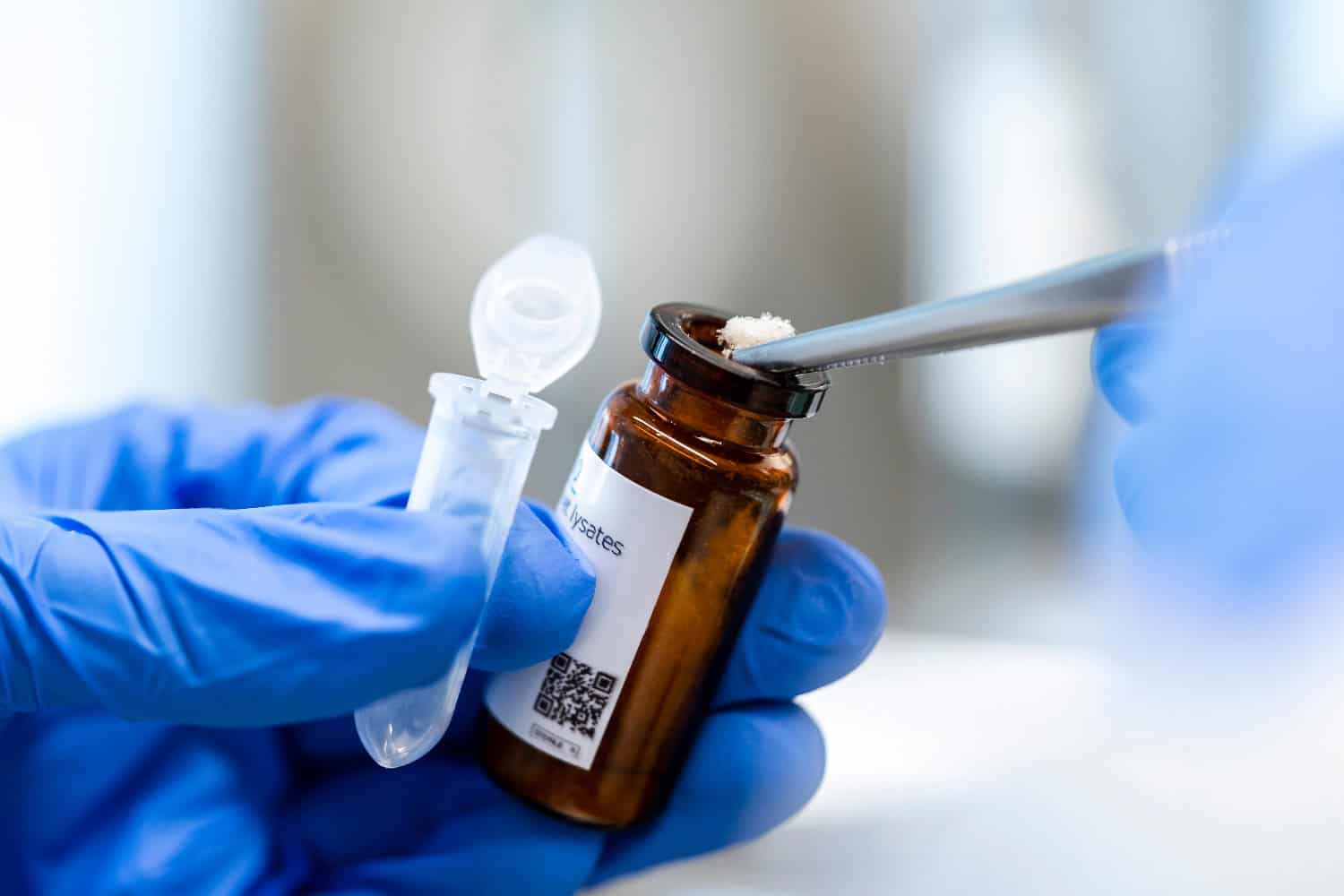
hPLMA (Human Methacryloyl Platelet Lysates) is a photocrosslinkable, xeno-free precursor material manufactured from pooled human platelet lysates, naturally rich in growth factors that support cell attachment, proliferation and function. Large donor pools minimise batch-to-batch variability while preserving the characteristics of a human extracellular microenvironment.
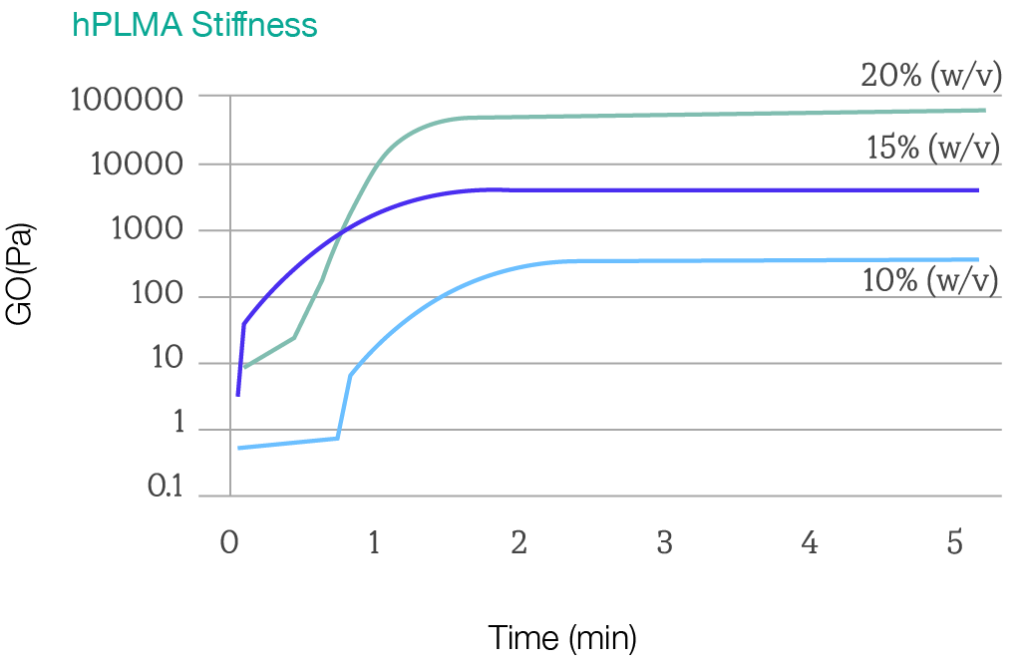
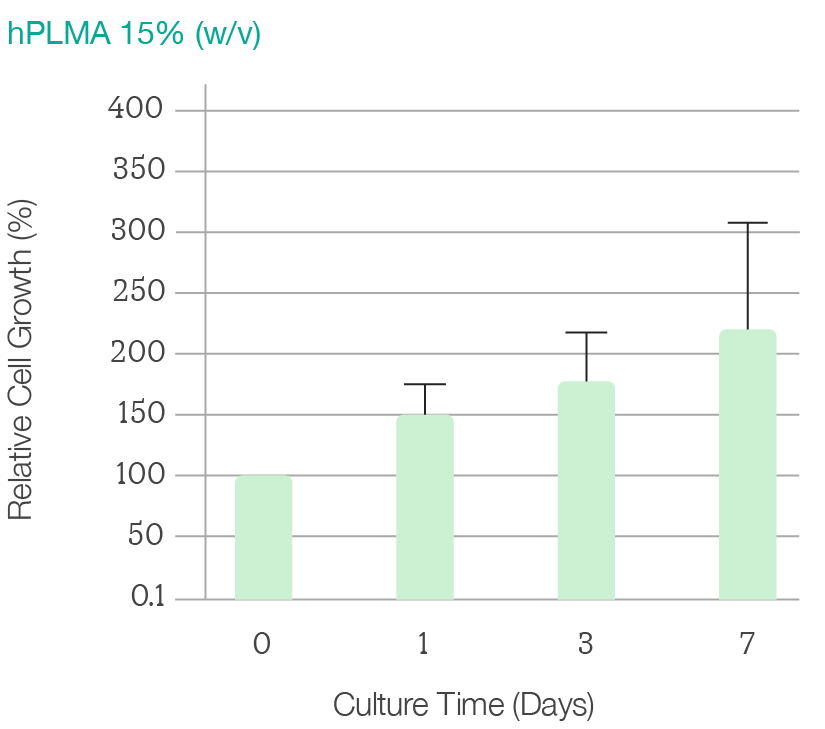
From 3D cell culture to bioprinting and microfluidic devices, hPLMA matrices support a wide range of applications while remaining stable for up to 30 days. hPLMA also offer tunable mechanical properties, enabling precise control over stiffness and network architecture to better match specific cellular and tissue requirements. The material is also available as hPLMA Easy, a ready-to-photocrosslink solution, and hPLMA Sponge, a ready-to-use porous scaffold.
Recent work describing hPLMA has been published in Materials Today Bio (DOI: 10.1016/j.mtbio.2026.103443).
Complementing the portfolio, hPCMA (Human Methacryloyl Placenta) is a precursor material derived from human placenta, naturally rich in extracellular matrix proteins, mostly collagen. Designed for applications requiring greater biochemical complexity, hPCMA provides a human-derived environment that promotes cell-matrix interactions in tissue engineering, regenerative medicine and advanced disease models.

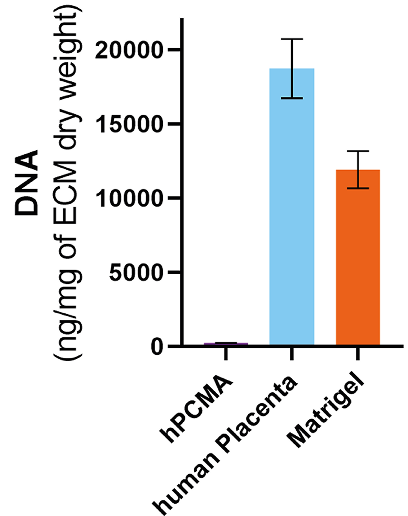
Metatissue is also expanding its portfolio by exploring biomaterials derived from other ethically donated human tissues, transforming underutilised biological resources into high-value research materials. This approach supports the development of more standardisable, human-relevant biomaterials while reducing reliance on animal-derived matrices.
The growing importance of this field has recently been highlighted in Nature Reviews Bioengineering (DOI: 10.1038/s44222-026-00425-7).
The hPLMA and hPCMA product range is available through the Bio-Connect webshop. More information about Metatissue and its human-derived biomaterials can also be found on the Metatissue supplier page.


3D Cell Culture | Human-Derived | Xeno-Free | NAMs | Bioinks | Tissue Engineering | Drug Discovery | Cancer Research | Biomaterials
We gladly support you by keeping you updated on our latest products and developments