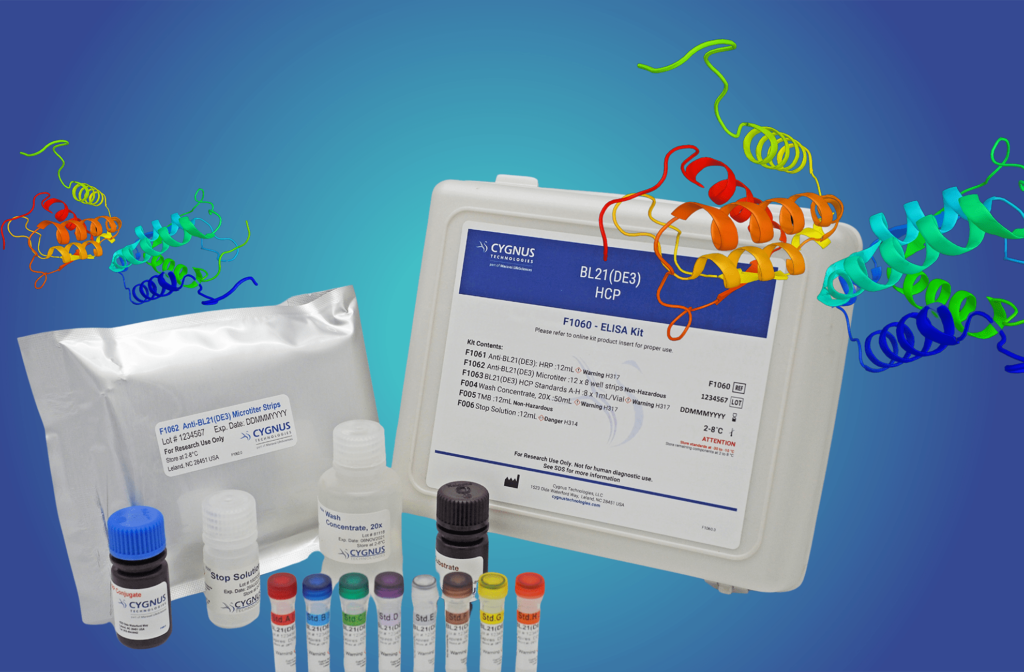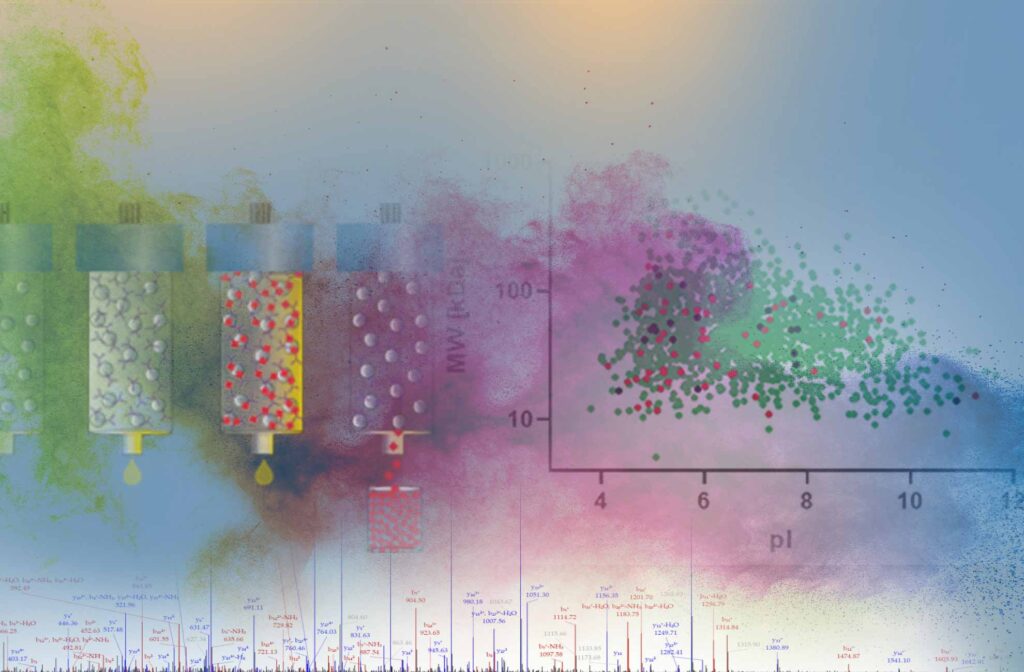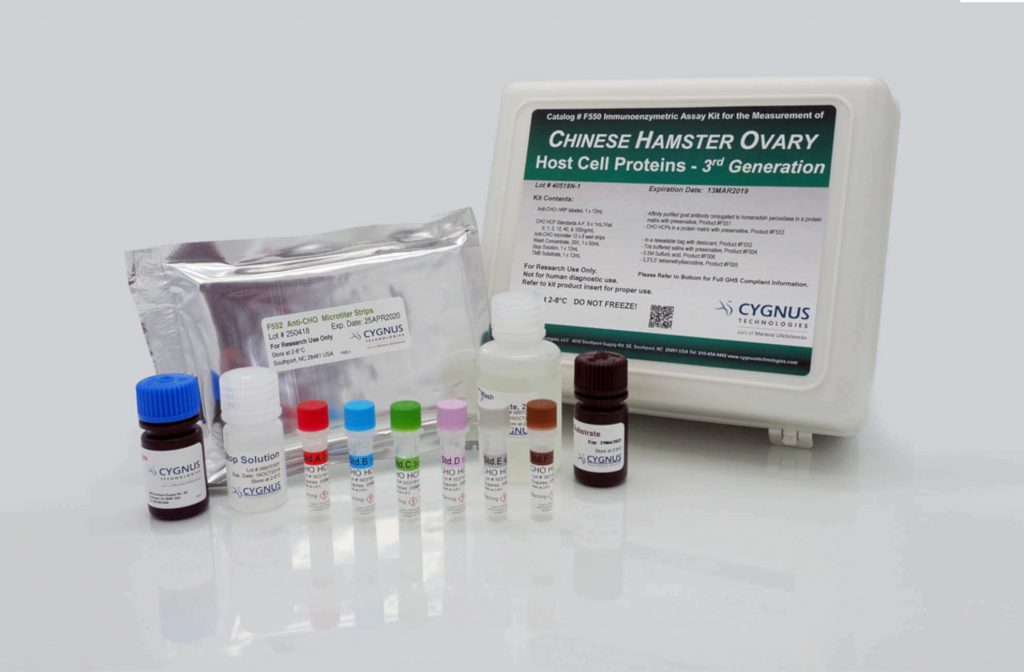
HCP analytics from Cygnus Technologies combine HCP ELISA kits with Antibody Affinity Extraction (AAE™), 2D-PAGE and mass spectrometry.
Host Cell Proteins (HCPs) are an important group of process-related impurities in biologics produced with cell culture technologies. During expression and production, HCPs can remain associated with the drug substance, regardless of whether it is a monoclonal antibody, recombinant protein, vaccine, gene therapy or CAR-T product. Regulatory guidance emphasizes monitoring, control and reduction of HCP levels throughout the manufacturing process.
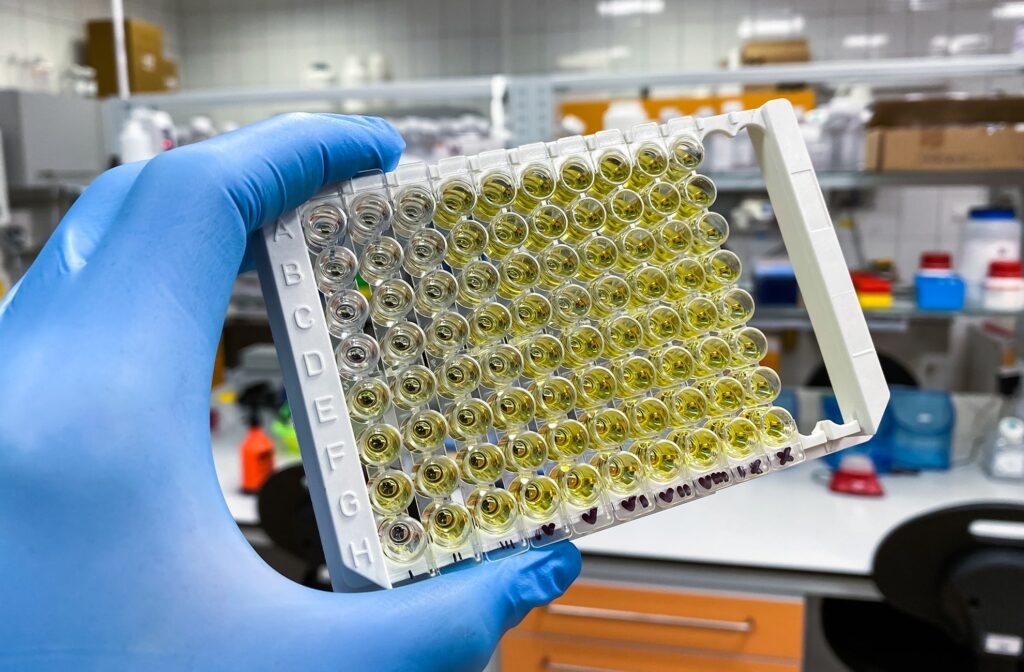
HCP ELISA is widely used for routine quantification of total HCP and is generally referred to in industry guidance and Cygnus publications as the standard method for process monitoring and lot release. In the scientific literature, the main discussion is not about ELISA as a technology, but about the antibody coverage of generic HCP assays: to what extent the anti-HCP antibodies in a given ELISA recognize the specific HCP population of a particular process. Cygnus Technologies has developed a portfolio of analytical services to address this question, using Antibody Affinity Extraction (AAE™) to capture HCPs that are then enumerated by 2D-PAGE or analyzed by mass spectrometry.
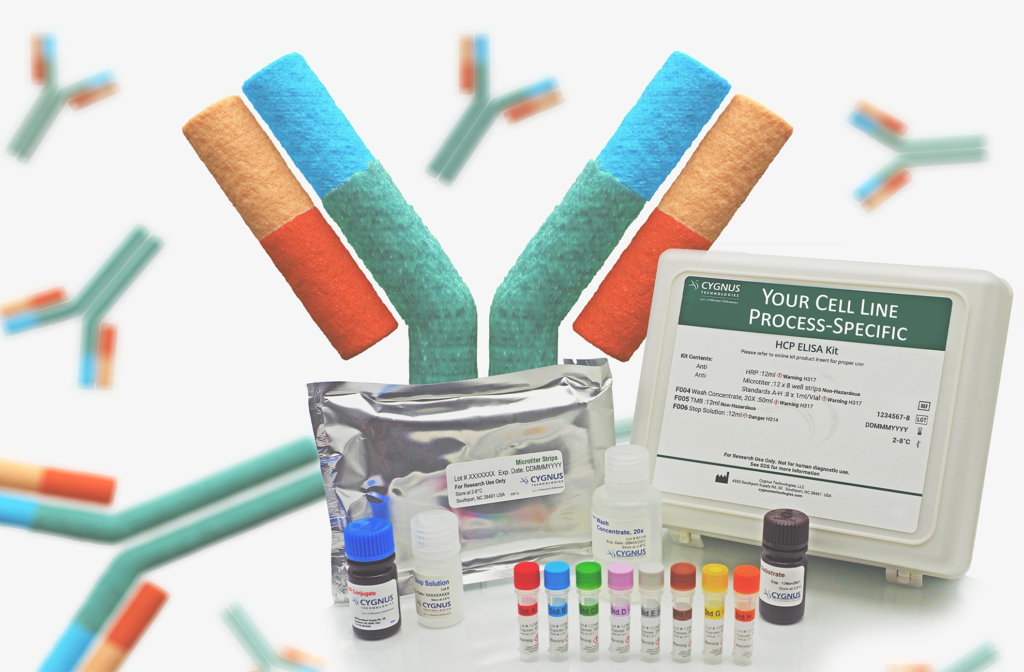
Cygnus offers HCP ELISA kits for more than 20 expression systems and cell lines used in biopharmaceutical manufacturing, including CHO, HEK293, E. coli, yeast and insect cell platforms. According to Cygnus, their HCP ELISA kits are used to support product lot release for all approved CAR-T and gene therapy products, as well as for many therapeutic monoclonal antibodies and recombinant proteins. If coverage of a generic kit is not deemed suitable for a specific process, Cygnus offers process-specific HCP antibody and assay development as a custom service.
Cygnus offers HCP Antibody Coverage Analysis to evaluate, at the protein level, which HCPs are recognized by the anti-HCP antibodies used in an ELISA. Cygnus developed Antibody Affinity Extraction (AAE™) as an immunoaffinity method in which HCPs that bind to anti-HCP antibodies are extracted and subsequently identified.
Instead of relying on traditional 2D Western blot to evaluate antibody activity on denatured proteins, AAE™ is more reflective of the antibody specificity in an ELISA. AAE is combined with 2D-PAGE or mass spectrometry to compare the number of HCPs that bind to the anti-HCP antibodies versus the total number of HCPs in the upstream null or product harvest from a given process.
To perform Antibody Affinity Extraction (AAE™), anti-HCP antibodies are immobilized on a column. An HCP-containing sample is passed over the column, after which the bound HCPs are eluted and analyzed. According to Cygnus, AAE™ was introduced in 2013 as an alternative to 2D Western blot to assess the coverage of polyclonal anti-HCP antibodies against an HCP mixture and has since been applied in a large number of antibody coverage studies. Because larger sample volumes can be concentrated on the column, AAE™ can detect HCPs with much higher sensitivity than 2D Western blot.
In combination with 2D-PAGE and mass spectrometry, this allows investigators to examine which individual HCPs are recovered after extraction.
For some risk-based HCP assessment strategies, information on individual HCPs may be considered in addition to a total HCP value. In Cygnus articles and brochures, services are described in which LC-MS/MS and AAE-MS are used to identify and quantify individual HCPs in process samples and drug substances. Cygnus describes AAE-MS as a method that enriches HCPs from drug substance samples while depleting the product, which supports the detection of low-abundance HCPs in purified drug substances. The same workflow can be applied to monitor HCPs with specific biological properties, such as enzymes or proteins that could affect product quality attributes.
Based on Cygnus documentation, the HCP portfolio includes:
Combine these elements to support the monitoring of both total HCP and individual HCPs during process development, clinical manufacturing and commercial lot release.
Cygnus shares technical content through its Impurity Insights blog and additional white papers, articles and webinars. These materials cover topics such as HCP ELISA, the application of Antibody Affinity Extraction and HCP identification using mass spectrometry, and technical guidance for teams involved in analytical development, process development, quality control and CMC.
Cygnus HCP ELISA kits are available through the Bio-Connect webshop for a wide range of expression systems. For specialized analytical services, including antibody coverage studies using AAE™, LC-MS/MS-based HCP identification, and custom HCP antibody or assay development, Bio-Connect connects you with Cygnus Technologies.
Looking for the right HCP ELISA kit or support with your HCP analysis workflow? Our Account Managers and Technical Support team are happy to help you find the right fit for your process.



Host Cell DNA detection | Viral clearance | MS | Host Cell Protein (HCP) | ELISA | Biotherapeutics | Antibodies | WB | Immunoassay Reagents
We gladly support you by keeping you updated on our latest products and developments